


Community Health Plan of Washington (CHPW) was founded in 1992 by Washington’s community health centers. CHPW is committed to Washington's health. To enroll in a Community Health Plan of Washington Apple Health (Medicaid), Medicare Advantage, or Individual & Family Cascade Select plan, you must be eligible and live in the service areas. This is not a complete description of benefits. Please contact us for more information.

2025 Annual Power of Community Report
Table of Contents
Reinforcing Community Health Across Washington
Grounded in partnership and trust, CHPW supports community health across Washington by investing in local organizations, responding quickly to urgent needs, and advocating for policies that protect access to care. Through sustained relationships with community-based partners and active engagement at the state level, CHPW works to safeguard the health care safety net and helps strengthen food access, transportation, housing stability, and social support.
Standing Up for the Health Care Safety Net
The 2025 State legislative session unfolded in a challenging budget environment, marked by declining revenues and rising costs to maintain existing programs. Lawmakers faced difficult decisions, but sustained advocacy helped protect the health care safety net Washington communities depend on.
During the legislative session, Community Health Center (CHC) staff, providers, and patients met in person with members of the Washington State Legislature to share what was at stake for their communities in the biannual budget. The discussions focused on the importance of keeping the pharmacy benefit integrated with managed care, advancing new payment approaches that support better care for Apple Health (Medicaid) enrollees, and securing ongoing funding for school-based health centers and expanded oral health capacity at CHCs.
Despite proposed cuts throughout the session, the final budget largely preserved critical Medicaid programs, including the pharmacy and adult dental benefits, Apple Health Expansion funding for certain immigrant groups, and services for people who are aged, blind, or disabled. These protections maintained access to essential care for hundreds of thousands of Washingtonians. The Legislature also invested $100,000 to begin developing value-based payment models for Medicaid primary care providers and provided $2.4 million to continue operating support for 17 school-based health centers (SBHCs) statewide.
In a year defined by fiscal constraint, these outcomes underscored the importance of continued advocacy, ensuring public resources support access, and stable care for the communities we serve.


Rapid Response to SNAP Benefit Disruptions
During the 2025 federal government shutdown, CHPW acted quickly to address the sudden disruption of Supplemental Nutrition Assistance Program (SNAP) food benefits affecting communities across Washington. CHPW partnered closely with community-based organizations, sharing timely, reliable information and resources to help them support individuals and families facing food insecurity.
Grounded in longstanding relationships with community partners across Washington, CHPW’s swift response helped ensure families could access food and resources when it mattered most, demonstrating the power of locally based partnerships to meet urgent needs quickly and effectively.
Together With Community Partners
Through the annual Community Investment Fund (CIF), CHPW invests directly in community‑based organizations that are trusted, responsive, and closest to the people they serve. Designed to be flexible and community‑driven, the fund supports local partners across Washington as they respond to urgent needs, adapt to changing conditions, and build long‑term stability where it matters most.
Since 2020, CHPW has distributed $1.49 million to 98 community‑based organizations across Washington, strengthening local capacity and advancing health care in its broadest sense through partnership, trust, and shared purpose.
The 2025 Community Investment Fund CBO recipients and regions served include:
- Allied People Offering Year-Round Outreach (Greater Columbia, North Central)
- Anacortes Family Center (North Sound)
- Angel Flight West (Statewide)
- BLKBRY (Statewide)
- Cancer Can’t (Spokane)
- Casa Latina (Statewide)
- Chelan Douglas Community Action Council Food Bank (North Central)
- Communities in Schools of Northeast WA (Spokane)
- FamilyWorks (King)
- Federal Way Black Collective (King)
- Foundation for Youth Resiliency & Engagement (North Central)
- Grace Collective (Greater Columbia)
- International Rescue Committee (Statewide)
- Kitsap Immigrant Assistance Center (Kitsap)
- Lavender Rights Project (Statewide)
- Multi-Service Center (King)
- Northwest Harvest (Statewide)
- Northwest Immigrant Rights Project (Statewide)
- Oceania Northwest (Snohomish, King, Pierce)
- Our Place Spokane (Spokane)
- Pacific County Immigrant Support (Great Rivers, Southwest Washington)
- Port Angeles Food Bank (Salish)
- The R.I.S.E. Center (Pierce)
*A total of 25 CBOs received the grant and 23 are listed above. The additional two organizations receiving grants serve Indigenous and Native communities; out of respect for these organizations’ cultures and customs, they are not named above. CHPW recognizes the grant as an acknowledgment of their existence, their work, and an offering of support.
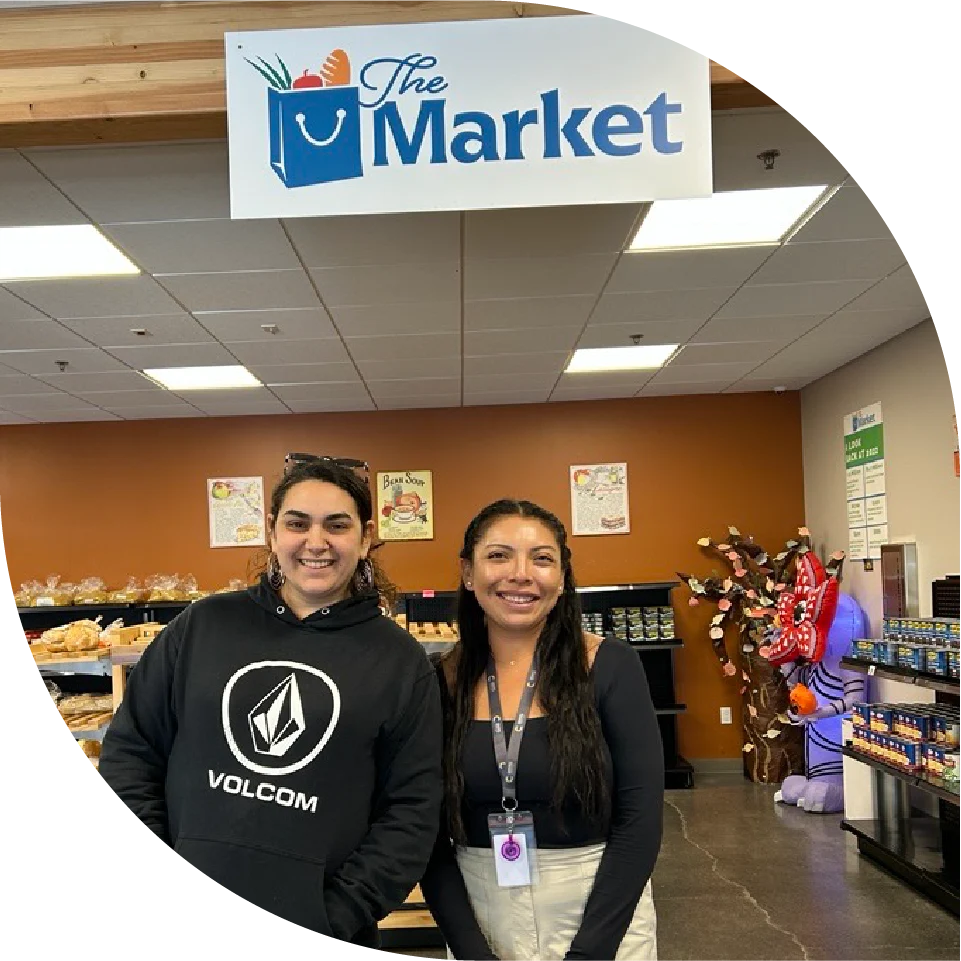
The following spotlights how CHPW’s targeted investments from the 2025 Community Investment Fund, translate into real impact for individuals, families, and communities statewide.
Port Angeles Food Bank: When Flexibility Makes the Difference
As a 2025 CIF grant recipient, the Port Angeles Food Bank strengthened its core food access operations, expanding its ability to deliver accessible services, reduce barriers to nutritious food, and meet growing community needs.
According to the food bank, CHPW’s flexible funding helped center community voices by ensuring households received what they needed to thrive, addressing inequitable access to healthy food, and sustaining consistent, dignified services that build trust. This support also enabled the organization to remain accountable to a growing number of neighbors who rely on the Food Bank as a critical resource for health and stability.
Multi-Service Center: Timely Action in a Moment of Need
A $10,000 CIF grant helped Multi-Service Center (MSC) respond to a critical surge in food insecurity during a period of heightened need. The community action nonprofit serves South King County, partnering with individuals and families to address food, housing, employment and social supports, strengthening pathways to well-being.
The grant also helped maintain MSC’s home delivery and Food Bridge programs, ensuring seniors and individuals unable to visit in person continued to receive healthy food. This partnership reflects CHPW’s commitment to standing alongside community organizations as they respond to urgent needs and support dignity, stability, and health, especially when families need it most.
When SNAP benefits were suspended during the fall federal government shutdown, demand increased by 20 percent.
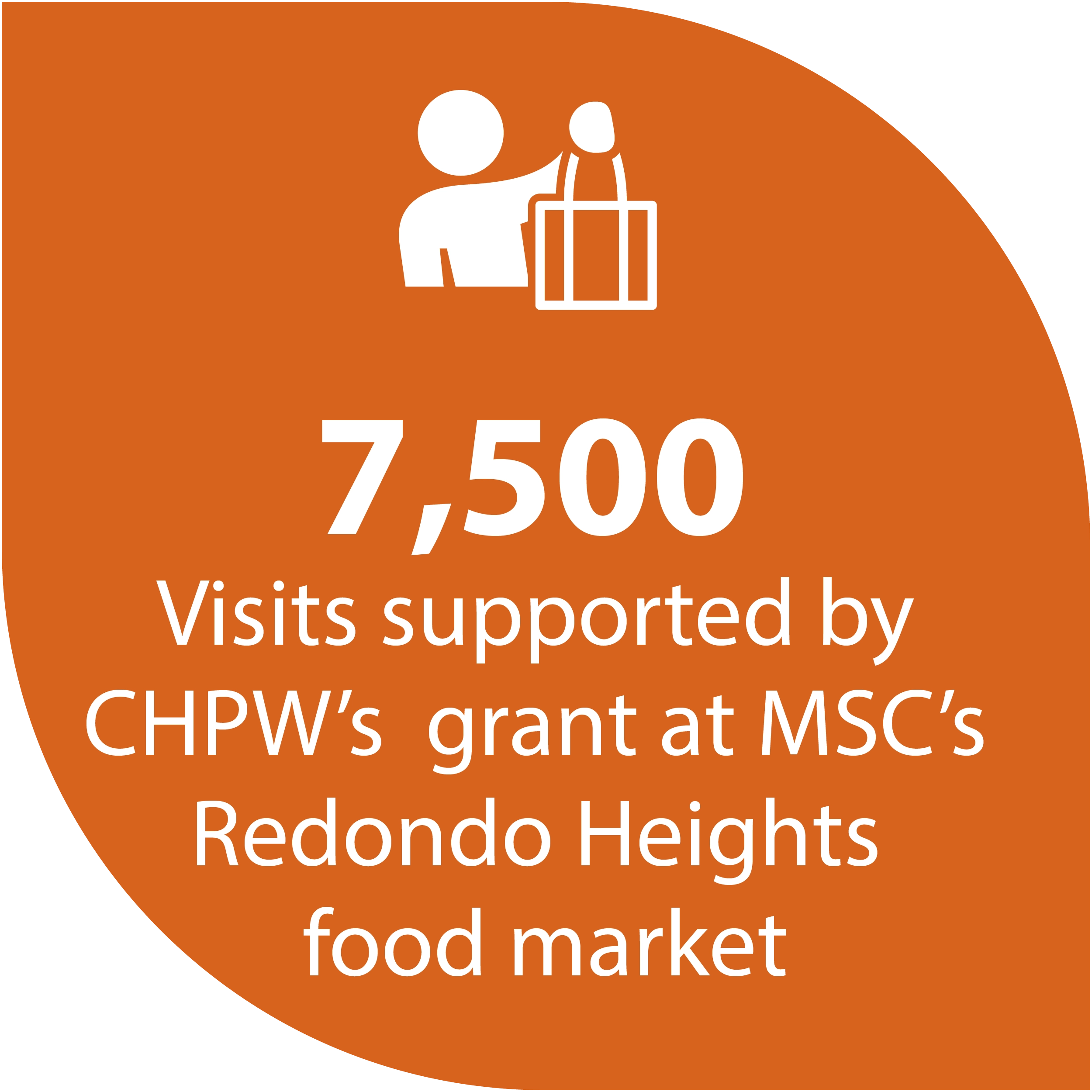
The CIF grant helped sustain:
- 7,500 visits at MSC’s Redondo Heights food market
- Holiday food distributions
- Culturally relevant offerings.

- CUSTOMER SERVICE
- 1-800-440-1561
- (TTY: 711)
- Contact form ➜

- ADDRESS
- 1111 Third Ave
- Suite 400
- Seattle, WA 98101

- HOURS
- 8 a.m. to 5 p.m.
- Monday to Friday

You will need Adobe reader to open PDFs on the site. Download the free version on Adobe Reader.